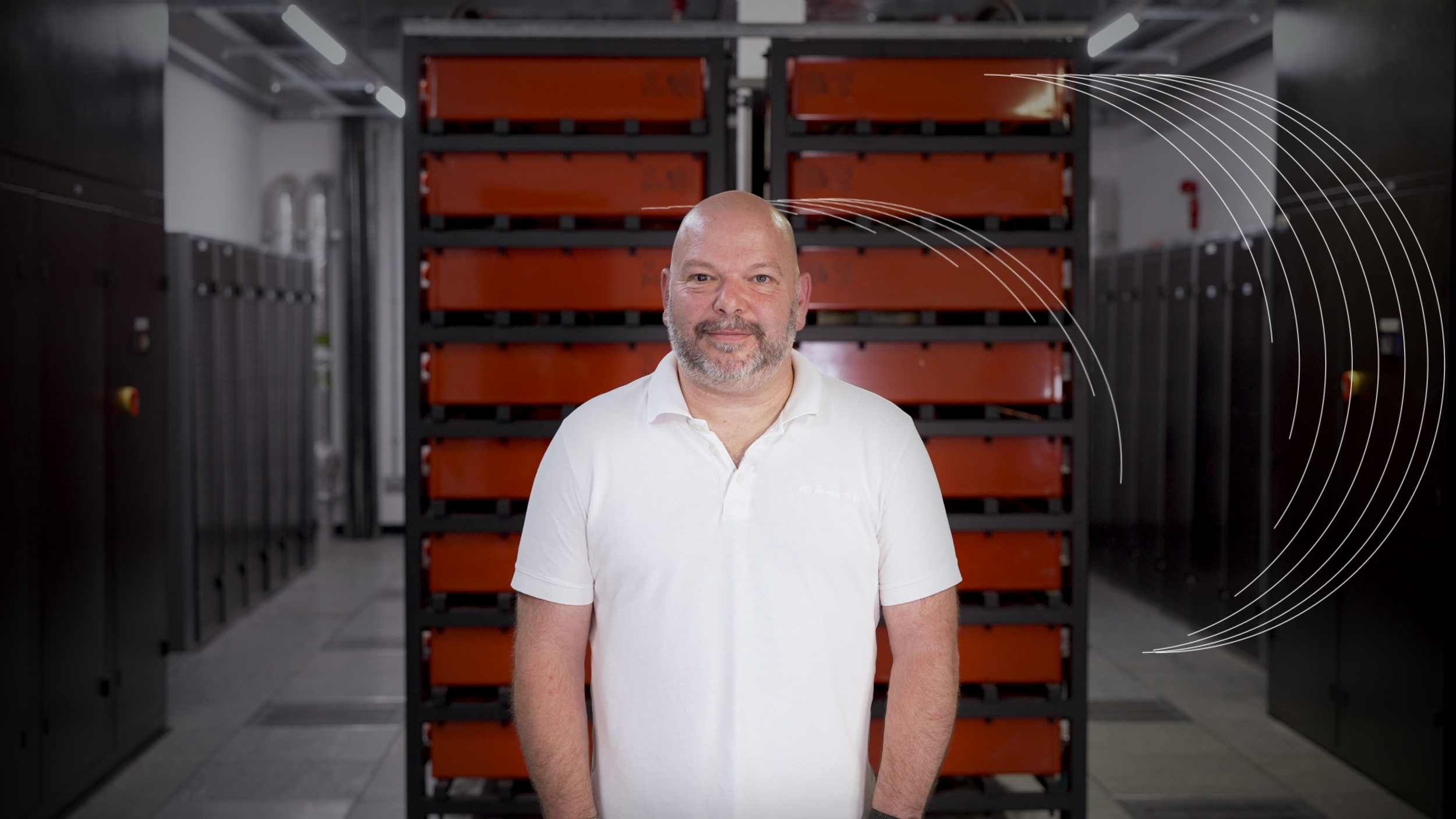
Making Connections
A short documentary series looking at the hidden infrastructure powering our modering world.
Making Connections
Making Connections is a short documentary series directed, produced, edited, and animated for Vodafone Group — following the engineers, architects, technicians, and specialists who keep global connectivity running, from subsea cable stations on the Cornish coast to data centres, network operations rooms, and the emerging frontier of satellite communications. Each episode takes a single dimension of the connectivity story and traces it from its material and historical roots to the present day and into the future, treating telecommunications not as a service industry but as what it has quietly become: critical national and global infrastructure, as foundational to contemporary life as roads, water, and power.
Release Date
2025-Present
Type
SHORT DOCUMENTARY SERIES
Specifications
WEB ONLY VIDEO
Comissioner
VODAFONE GROUP
Making Connections is a celebration of the people who keep the modern world running — an inquiry into the hidden systems of global connectivity and the human lives embedded within them. It is an invitation to look at infrastructure not as background but as subject: to find, in the cables beneath the ocean and the networks above our heads, a story about how the world was built and who is quietly holding it together.
The series is built on a consistent editorial conviction: that the most effective way to make infrastructure legible is to make it human. The technology is the subject. The people are the entry point.
Episode One: Subsea Cables
The first episode took the most invisible part of the internet's physical architecture as its focus.
Most people, if they think about it at all, assume the internet travels through satellites. The reality is stranger, more fragile, and more extraordinary: the internet as we know it depends on fibre optic technology, and subsea cables are its critical backbone — running across the ocean floor at depths where the pressure would crush a submarine, through glass fibres thinner than a human hair, maintained by a small and largely invisible global workforce. When fibre optic cables were first laid on the seabed, they made it possible to connect continents at speeds that were previously unimaginable. Today, over 97% of the world's international data traffic travels through them — and almost nobody knows they exist, let alone that they are considered part of our global critical infrastructure.
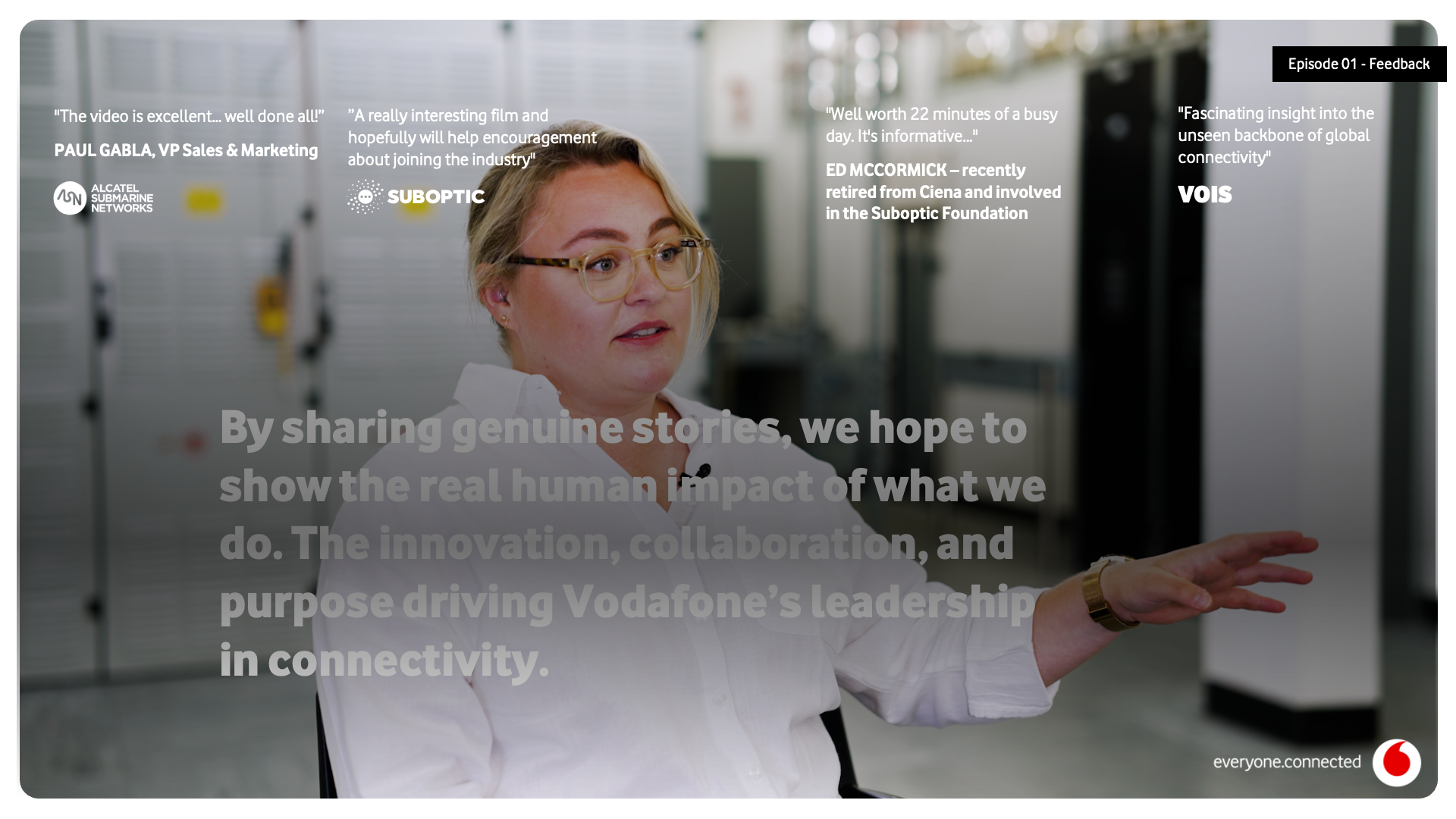
That invisibility was the starting point. The solution was a short film exploring how the evolution of subsea fibre optic cables changed the world — and revealing the people and teams who keep the world's internet running.
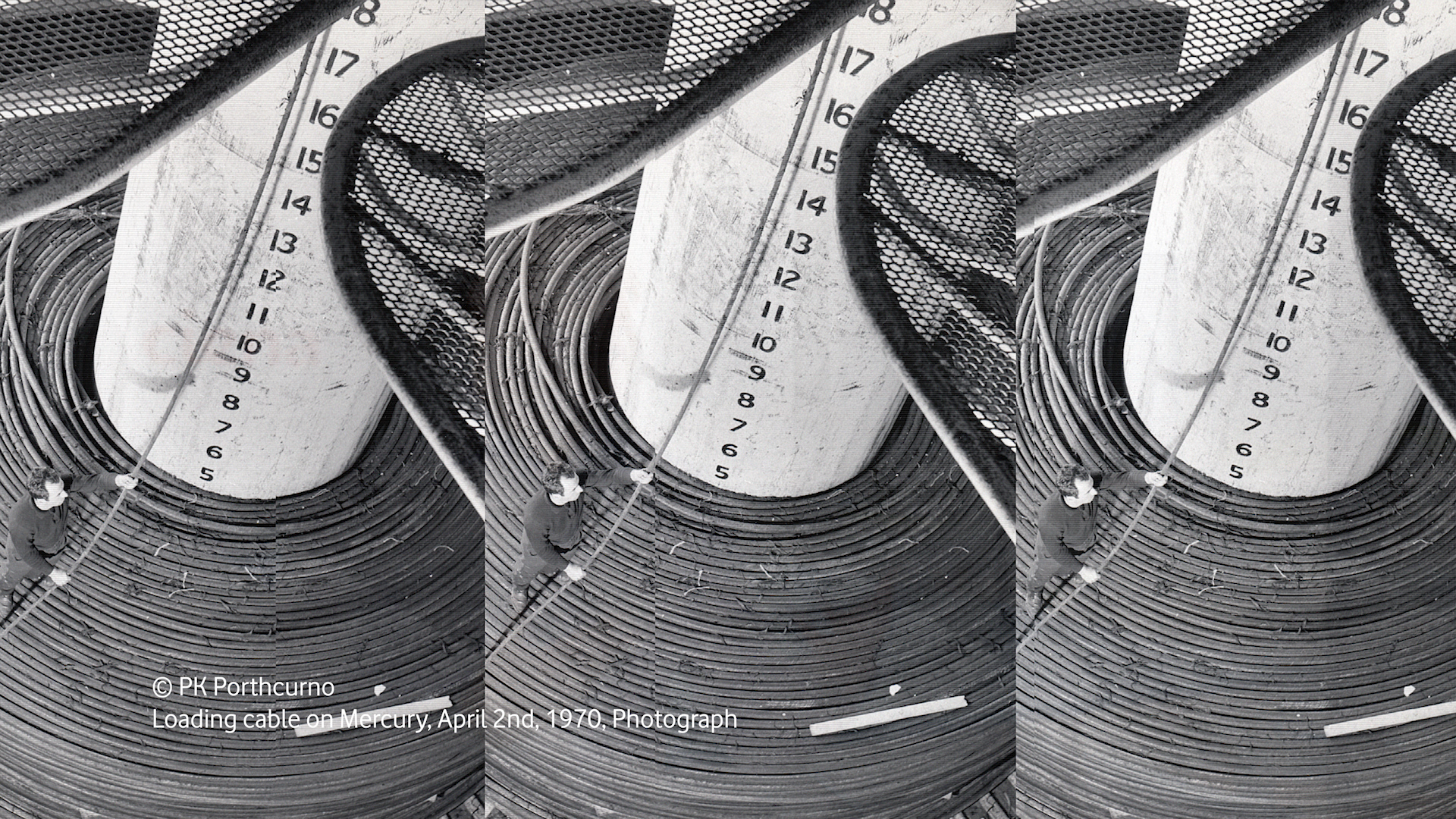
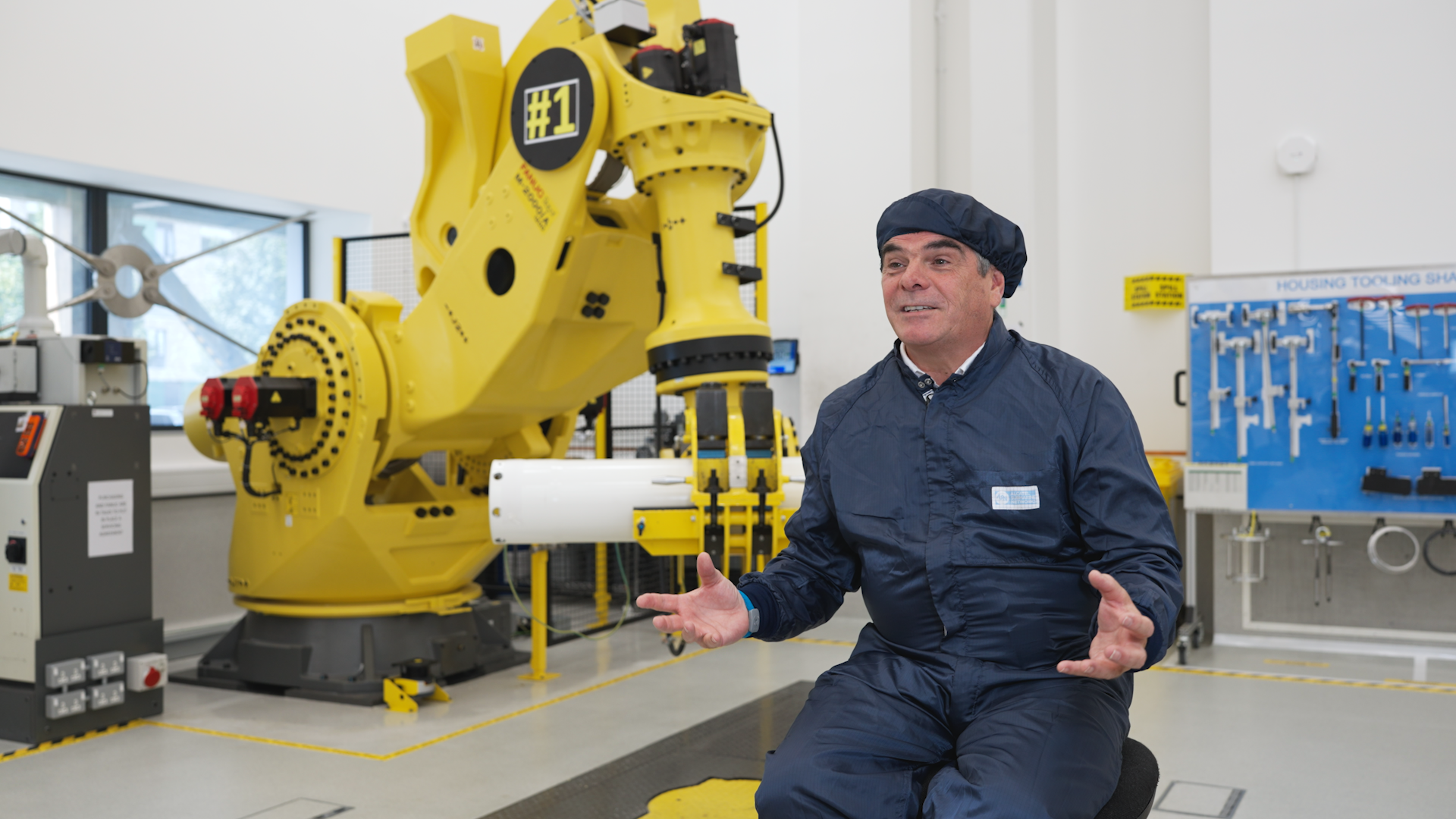
The film followed the cables from the seabed to the landing station: from the engineers at Alcatel Submarine Networks and Ciena who design and maintain the infrastructure, to the curators at the Porthcurno Museum where the history of undersea communications — from the first telegraph cables to the fibre optic present — is preserved, to Vodacom's perspective on what subsea connectivity means for economic development and social access across the African network. The human stories were not illustrative of the technology — they were the technology, seen from the inside.
The creative and editorial approach was developed through extended research before a camera was pointed at anything — building a genuine understanding of the subject so that the film could treat its audience as intelligent, curious, and capable of being interested in how the world actually works. The result was 22 minutes that did exactly that.